The Utah Wildlife Federation applauds the passage of House Bill 431 and the establishment of the Utah Wildlife Crossing Account, a lasting investment in wildlife connectivity, public safety, and Utah’

Thanks to Representative Scott Chew (Utah's House District 68) and the 6 cosponsors*, HB 431 creates a dedicated account within the State’s Transportation Investment Fund and provides $2 million in ongoing annual funding for projects that improve wildlife safety, habitat connectivity, and livestock protection across Utah.

This legislation gives Utah a reliable way to address one of the state’s growing public safety and wildlife challenges. Traffic volumes in Utah have doubled over the past 25 years, and an estimated 7,000 or more deer-vehicle collisions occur each year. Mule deer, which are struck more frequently than any other species on Utah’s roads, travel long distances between seasonal habitats. As development and traffic increase, those migrations increasingly intersect with busy highways.
“HB 431 represents a major step forward for Utah’s wildlife, drivers, and communities. For years, Utah has demonstrated that wildlife crossings work, but our ability to build them has too often depended on one-time appropriations and an ever-growing list of needs. This permanent funding mechanism gives Utah the certainty to plan ahead, build projects where they will have the greatest impact, and leverage additional federal funding,” said Isobel Lingenfelter, Conservation Director of the Utah Wildlife Federation.
“Just as importantly, this legislation recognizes that wildlife connectivity is not only about wildlife. It is about protecting Utahns on our roads, reducing costly collisions, and keeping the landscapes that support hunting, agriculture, recreation, and healthy wildlife populations connected” (Lingenfelter, (March 15, 2026)).
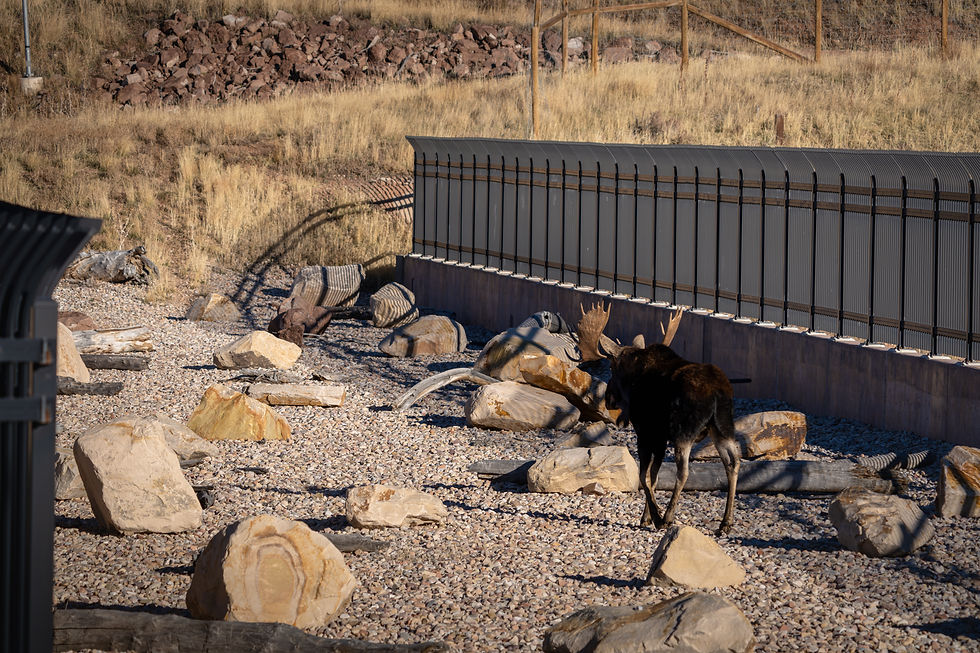
Wildlife crossings are proven public safety infrastructure. Properly designed crossings, combined with fencing and other safety measures, can dramatically reduce wildlife-vehicle collisions while reconnecting habitat fragmented by roads. Across Utah, these projects can help protect drivers, reduce vehicle damage and associated costs, and preserve the seasonal movements that are essential to healthy mule deer and other wildlife populations.
The need for this investment extends beyond wildlife. Nationally, animal-vehicle collisions cause more than 200 human deaths and approximately $8 billion in damages each year. Utah has been a national leader in addressing this challenge since constructing North America’s first wildlife overpass in 1975. HB 431 builds on that legacy by creating a sustainable funding mechanism capable of supporting wildlife crossings and other connectivity projects across the state.
The Utah Wildlife Crossing Account also gives Utahns a direct way to contribute to these efforts. HB 431 establishes voluntary contribution options through vehicle registrations, hunting licenses, and other permits, allowing Utahns to invest directly in safer roads and connected landscapes. These grassroots contributions can provide additional resources while demonstrating broad public support for wildlife connectivity.
The legislation also creates a collaborative process for identifying priority projects. The Utah Department of Transportation, in consultation with the Utah Division of Wildlife Resources and key stakeholders, will recommend projects to the Transportation Commission for funding. This approach will help ensure investments are guided by science, transportation needs, wildlife priorities, and local knowledge.

The Utah Wildlife Federation is grateful to Representative Scott Chew, legislative leaders, state agencies, conservation organizations, agricultural partners, sportsmen and women, and the many Utahns who helped make this investment possible. HB 431 demonstrates what can happen when Utah’s diverse outdoor and working-land communities come together around a practical solution to a shared challenge.
“We are proud to have worked alongside such a broad coalition to advance HB 431,” said Lingenfelter. “Utahns who hunt, fish, farm, ranch, recreate, and care about wildlife may come from different perspectives, but we share a common interest in safe roads, healthy wildlife populations, and functioning landscapes. This legislation gives us a durable tool to protect all three.”
The Utah Wildlife Federation looks forward to working with UDOT, UDWR, the Transportation Commission, legislators, local communities, and partners across the state to ensure the Utah Wildlife Crossing Account is implemented effectively and delivers meaningful results for Utah’s people, wildlife, and landscapes.
*Sponsored by Representative(s) Scott Chew, Carl Albrecht, Tiara Auxier, Jefferson Burton, Jill Koford, David Shallenberger, Rex Shipp


